Water Heater Failure Cleanup in Brooksville, FL
A 40 or 50 gallon tank that splits keeps refilling from the supply line until someone shuts it off. The extraction crew pulls the water and dries the walls and floors around it.
(888) 621-2041Water still spreading? Get extraction started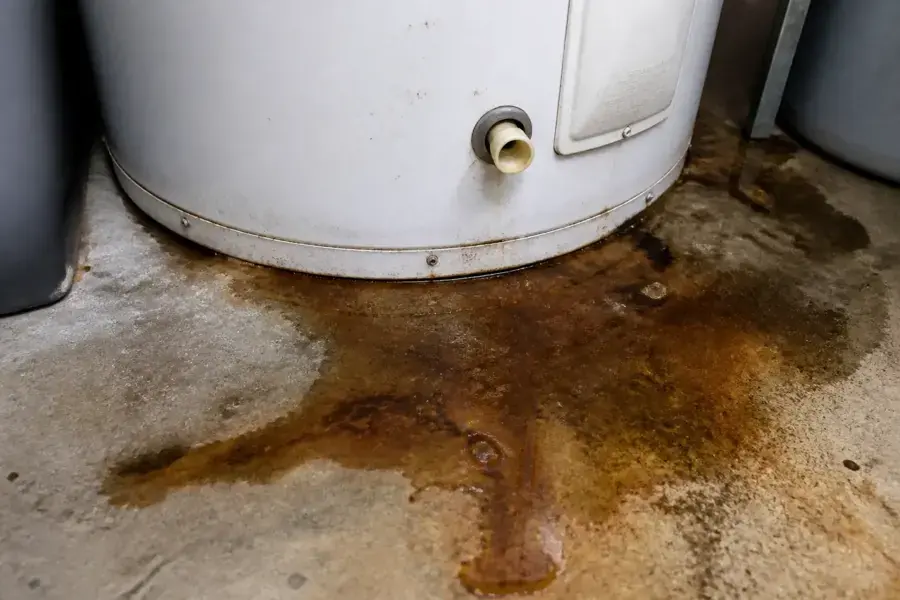
What to do right now about water heater failure cleanup in Brooksville
Water heaters in Brooksville homes usually sit in a garage, an interior closet or a utility room next to the kitchen. A tank that fails in the garage mostly floods concrete. A tank that fails in an interior closet sends water under walls into bedrooms, hallways and cabinets.
Close the cold supply
Shut the valve on the cold line at the top of the tank, or the main.
Turn off power or gas
Switch off the breaker or set a gas heater to off or pilot.
Keep clear of hot water
Water from a failed tank can scald; let it cool.
Photograph the data plate
Record the tank's age and model for the claim, then call.
How water heater failure cleanup is handled in Brooksville, FL
Walkthrough and moisture map
The tech who does the walkthrough finds the source of the water heater failure cleanup, then maps moisture with pinless meters and thermal imaging so the plan matches what is actually wet.
Stop the source and extract
The extraction crew pulls standing water with truck-mounted extraction and portable units, so the water leaves the building instead of moving into the next room.
Set the drying equipment
Air movers go in at the evaporation load of each room, with LGR dehumidifiers sized to Brooksville's humid air; wet framing and subfloor get dried in place where possible.
Daily readings to the drying goal
Crews record readings daily and pull equipment only when wet materials sit within 2 to 4 points of a dry reference in the same building, then hand over the drying logs.
What does water heater failure cleanup cost in Brooksville, FL?
In Brooksville, FL, water heater failure cleanup typically runs $800 to $4,500, depending on where the tank sits, how far the water traveled under walls and flooring, and whether cabinets, drywall or flooring had to be removed. The new heater is billed separately.
Garage tank
- Concrete floor extraction
- Shared wall checked
- Short drying setup
Interior closet
- Adjacent rooms extracted
- Baseboards and drywall bases
- Flooring lifted where needed
Long-running leak
- Water under several rooms
- Flooring and cabinets out
- Extended drying
For a planning range on your own loss, try the water damage cost calculator. A firm number comes from the on-site walkthrough.
How water heaters fail
- Tank corrosion at the bottom seam, common after 10 to 12 years and faster with hard or aggressive well water.
- A stuck or failed temperature and pressure relief valve discharging onto the floor.
- Loose or corroded supply connections at the top of the tank.
- A cracked or missing drain pan that sends slow leaks straight into the subfloor or slab.
Routine maintenance helps a tank last; the Department of Energy Energy Saver pages cover water heater care and replacement choices.
Cleaning up after a tank failure
After the cold supply valve is closed and power or gas is off, the extraction crew removes standing water and the tech checks every wall that touches the closet or utility room. Water from a tank failure spreads along the bottom plate of walls and under vinyl or laminate flooring, so baseboards may come off and flooring may be lifted. Air movers and LGR dehumidifiers run until the walls and floor reach the drying goal.
Water from a tank starts clean, but rusty sediment from the bottom of an old tank stains carpet and grout. If the water sat for days, the category can shift, and more materials may need to go.
Before the new tank goes in
Make sure the area around the heater is dry before a plumber installs the replacement, and ask for a drain pan with a line to the outside or a drain where the heater sits in living space. Photos of the failed tank, the data plate and the water spread help the claim.
If the tank sat in a flooded garage or utility room, the OSHA water cleanup safety page covers the electrical and gas hazards to watch for.
How water heater failure cleanup gets done to standard
Rapid local response
Brooksville water damage pros answer day and night, and the response team treats standing water as urgent from the first call, nights and weekends included.
IICRC S500 drying standard
The drying team follows IICRC S500, the industry drying standard: moisture mapping first, then structural drying, not just surface drying.
Claim-ready documentation
Every loss gets a moisture map, daily readings and timestamped photos, the file an adjuster reads before deciding a claim.
Hernando County water experts
Pier-built frame homes, block homes on slabs, private wells, septic systems and summer storms: local experts know how water moves here.
Water damage restoration across Brooksville and Hernando County
The Brooksville restoration crew covers the city, the ZIP codes around it and the rural roads in between, day or night.
From the brick streets downtown to the well-and-septic homes out past Lake Lindsey, water damage pros serve all of Brooksville and the Hernando County communities around it.
Coverage includes ZIP codes 34601, 34602, 34603, 34604, 34605, 34613, 34614, plus Brookridge, Royal Highlands, Ridge Manor, Masaryktown and Nobleton.
Every community and ZIP coveredRelated water damage services in Brooksville
Water Heater Failure Cleanup questions from Brooksville homeowners
Q01How do I stop a leaking water heater?
Close the cold water supply valve at the top of the tank, then turn off the power or gas. If the valve will not turn, shut the main.
Q02Can the water heater leak damage the slab?
The slab itself is fine, but flooring and wall bases over it can hold water. Those get dried or removed.
Q03How long do water heaters last here?
Many last 8 to 12 years. Hard or aggressive well water can shorten that. Rust at the base is a warning sign.
Q04Should the heater have a drain pan?
Where it sits in living space, a pan with a drain line limits damage from slow leaks and small failures.
Q05Is water heater damage covered?
The sudden water damage is often covered after the deductible while the tank itself usually is not. Coverage depends on your policy, so it is worth checking with your own insurer.
Q06How long does drying take?
A contained loss usually dries in three to five days. Water that got under cabinets or several rooms of flooring takes longer.
Water Heater Failure Cleanup in Brooksville? Call now.
Every hour water sits, it wicks further into drywall, subfloor and framing. The Brooksville restoration team extracts, dries to the IICRC S500 standard and documents the loss for the claim.
(888) 621-2041Get the Hernando County drying crew moving