Water Extraction and Removal in Brooksville, FL
Standing water on tile, carpet or a crawlspace floor keeps soaking into everything it touches. The extraction crew pulls it out with truck-mounted equipment so drying can start.
(888) 621-2041Water still spreading? Get extraction started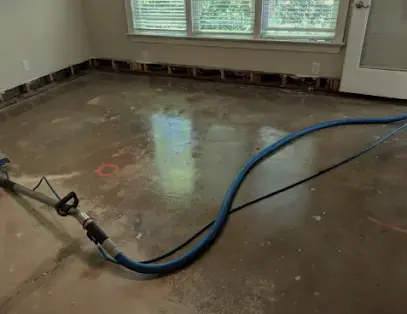
What to do right now about water extraction and removal in Brooksville
Extraction is the first move on almost every Brooksville water loss. A wet vac moves a few gallons; truck-mounted extraction moves water out of the building fast enough to keep it from climbing into drywall, baseboards and the subfloor.
Shut off the source
Close the main valve or the fixture valve if it is safe to reach.
Kill wet circuits
Switch off breakers for wet rooms, but only if the panel area is dry.
Photograph first
Take photos and video of the water before anything is moved.
Lift what you can
Move rugs, electronics and furniture off the wet floor, then call.
How water extraction and removal is handled in Brooksville, FL
Walkthrough and moisture map
The tech who does the walkthrough finds the source of the water extraction and removal, then maps moisture with pinless meters and thermal imaging so the plan matches what is actually wet.
Stop the source and extract
The extraction crew pulls standing water with truck-mounted extraction and portable units, so the water leaves the building instead of moving into the next room.
Set the drying equipment
Air movers go in at the evaporation load of each room, with LGR dehumidifiers sized to Brooksville's humid air; wet framing and subfloor get dried in place where possible.
Daily readings to the drying goal
Crews record readings daily and pull equipment only when wet materials sit within 2 to 4 points of a dry reference in the same building, then hand over the drying logs.
What does water extraction and removal cost in Brooksville, FL?
In Brooksville, FL, water extraction and removal typically runs $400 to $3,500, depending on the square footage, the water category, how deep the water sits and whether it reached carpet pad or a crawlspace. Extraction is usually billed together with the drying that follows.
Single room
- Clean water on tile or carpet
- Portable or truck-mount pass
- Moisture check of nearby walls
Multi-room
- Several rooms or a hallway
- Carpet pad lifted or pulled
- Air movers set after extraction
Deep or contaminated
- Garage, crawlspace or floodwater
- Submersible pumps
- Category 2 or 3 protocol
For a planning range on your own loss, try the water damage cost calculator. A firm number comes from the on-site walkthrough.
Why extraction speed matters in a Brooksville home
Water does not sit still. On the slab homes south of downtown it runs under baseboards and into tack strip; in the older frame houses near the courthouse it drops through floor seams into the crawlspace. Every gallon left behind has to be evaporated later by air movers and dehumidifiers, which costs days of drying and more equipment.
- Carpet and pad can often be saved when extraction starts early and the water is clean.
- Laminate and engineered flooring swell at the seams, so the extraction crew uses weighted or wand tools to pull water from underneath.
- Humid Hernando County air slows evaporation, which makes pulling liquid water out first even more important.
What the extraction crew brings
The restoration team arrives with the gear to match the loss: truck-mounted extraction units for large areas, portable extractors for upstairs rooms and tight spaces, submersible pumps for deep water in a garage or crawlspace, and weighted extraction tools that squeeze water out of carpet and pad. Before the hoses go down, the tech maps moisture with pinless meters and thermal imaging so nothing wet is missed behind a wall.
After a flood, the EPA guidance on flooded homes explains why wet materials need to be dried or removed quickly to limit contamination and microbial growth.
Clean water, gray water and black water
The water category decides what happens after extraction. Category 1 water from a supply line can often be dried in place. Category 2 water from a washer or dishwasher carries contamination, so soaked pad and some materials come out. Category 3 water, sewage or floodwater from outside, means porous materials get removed, not dried, and the crew works in protective gear with containment.
Flood water brings more risks than the mess itself; OSHA flood cleanup guidance covers the electrical and contamination hazards crews plan for. If sewage is involved, see septic and sewage backup cleanup.
How water extraction and removal gets done to standard
Rapid local response
Brooksville water damage pros answer day and night, and the response team treats standing water as urgent from the first call, nights and weekends included.
IICRC S500 drying standard
The drying team follows IICRC S500, the industry drying standard: moisture mapping first, then structural drying, not just surface drying.
Claim-ready documentation
Every loss gets a moisture map, daily readings and timestamped photos, the file an adjuster reads before deciding a claim.
Hernando County water experts
Pier-built frame homes, block homes on slabs, private wells, septic systems and summer storms: local experts know how water moves here.
Water damage restoration across Brooksville and Hernando County
The Brooksville restoration crew covers the city, the ZIP codes around it and the rural roads in between, day or night.
From the brick streets downtown to the well-and-septic homes out past Lake Lindsey, water damage pros serve all of Brooksville and the Hernando County communities around it.
Coverage includes ZIP codes 34601, 34602, 34603, 34604, 34605, 34613, 34614, plus Brookridge, Royal Highlands, Ridge Manor, Masaryktown and Nobleton.
Every community and ZIP coveredRelated water damage services in Brooksville
Water Extraction and Removal questions from Brooksville homeowners
Q01How fast should water be extracted?
As soon as possible. Water keeps wicking into drywall, baseboards and subfloor, and the 24 to 48 hour window before microbial growth starts is short in humid Brooksville weather. Extraction first, then drying.
Q02Can a wet carpet be saved?
Often yes, when the water is clean (Category 1) and extraction starts early. The pad usually comes out if it has been wet long or the water is gray. Carpet touched by sewage or outside floodwater is removed.
Q03Is a shop vac enough?
For a small spill on tile, maybe. For anything that reached carpet, baseboards or a crawlspace, a shop vac leaves too much water behind, and the drying takes far longer.
Q04Does extraction include drying?
Extraction removes the liquid water. Structural drying with air movers and LGR dehumidifiers removes the moisture left in materials. Most jobs need both, tracked with daily readings.
Q05What if water is under the house?
Frame homes on piers can hold water in the crawlspace. The crew pumps it out, then dries the joists and subfloor from below. See crawlspace water damage for details.
Q06Will insurance pay for extraction?
Sudden and accidental water, like a burst supply line, is often covered after the deductible, while rising floodwater falls under flood coverage. Coverage depends on your policy, so it is worth checking with your own insurer.
Water Extraction and Removal in Brooksville? Call now.
Every hour water sits, it wicks further into drywall, subfloor and framing. The Brooksville restoration team extracts, dries to the IICRC S500 standard and documents the loss for the claim.
(888) 621-2041Get the Hernando County drying crew moving